
Learn
How to Read a Wine Label: A Rioja Guide to European Wine Labels
Understanding how to read a wine label can help you shop smarter, drink better, and explore with confidence—especially when it comes to wines from Europe. For Rioja, Spain’s most iconic wine region, the label tells a story of place, tradition, and quality.
In this guide, we’ll walk through how to decode a wine label, what the Denominación de Origen Calificada (DOCa) means, and how Rioja labels compare to those from other regions around the world.
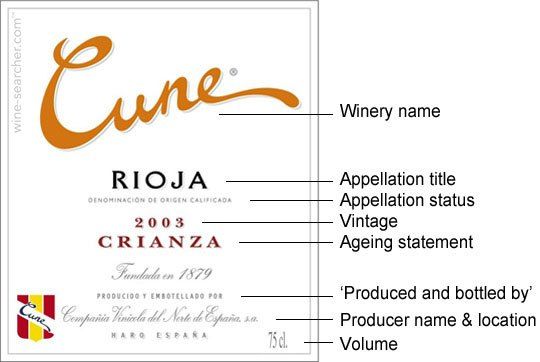
Key Elements on a Rioja Wine Label
1. Producer or Brand Name
This is often one of the first things you’ll see. In European wine, the reputation of the producer can give you a strong sense of the wine’s style and quality.
2. Region of Origin
Unlike many New World wines, which lead with grape variety (like Cabernet Sauvignon or Chardonnay), European wines emphasize origin. If a wine says “Rioja,” it must come from the Rioja region—and follow strict rules about grape types, aging, and production.
3. DOCa Designation
DOCa (Denominación de Origen Calificada) is Spain’s highest wine classification. Only Rioja and Priorat have earned this status. It means the wine is made from grapes grown in the designated region, follows rigorous production guidelines, and consistently meets high standards of quality.
4. Vintage Year
This indicates when the grapes were harvested. In Rioja, the vintage helps signal where the wine is in its aging process and what to expect in the glass.
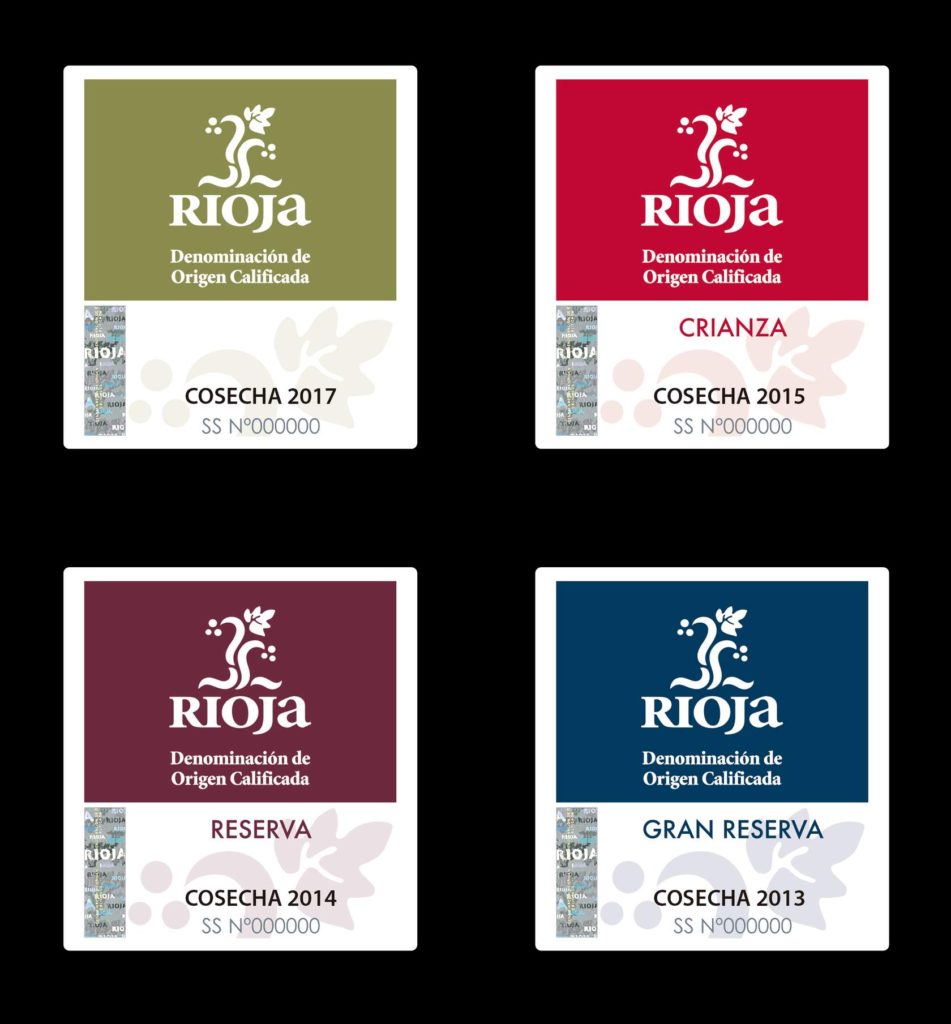
5. Aging Classification (Crianza, Reserva, Gran Reserva)
Rioja wines use aging terms that are easy to spot:
- Crianza: Aged at least two years, with one year in oak.
- Reserva: Aged at least three years, with one year in oak.
- Gran Reserva: Aged at least five years, with two years in oak. These categories can tell you a lot about the wine’s flavor and complexity.
6. Alcohol Content & Volume
Typically listed as a percentage and in milliliters (750ml is standard for a bottle), this gives you basic info on the wine’s strength and size.
What Makes European Wine Labels Different?
European wines—Rioja included—are rooted in the idea of terroir: the belief that place matters more than grape variety. So instead of seeing “Tempranillo,” you’re more likely to see “Rioja Reserva,” signaling the region, classification, and aging process.
By contrast, New World wines from places like the U.S. or Australia often lead with grape variety and brand name. This makes European labels feel more traditional—but with a bit of knowledge, they’re just as easy to navigate.
New EU Wine Label Requirements
As of December 2023, new regulations from the European Union require more transparency on wine labels:
- Calorie and nutritional info must now be available (often via a QR code).
- Allergens (like sulfites) are clearly listed.
- Ingredient lists are required and can also be accessed digitally.
For Rioja wines, this means even more ways to ensure quality and make informed choices.
Tips for Reading Rioja Labels Like a Pro
- Look for DOCa to confirm quality.
- Note the aging category to understand the wine’s style.
- Check the vintage to get a sense of flavor development.
- Scan the QR code for detailed ingredient and nutrition info (on newer labels).
Explore Rioja With Confidence
We’re proud to offer a curated selection of Rioja wines—from young, fruit-forward Crianzas to age-worthy Gran Reservas. With this guide, you’ll be able to choose the right bottle for your taste and occasion—and enjoy the story behind every label.