Rioja Centennial Celebration in Logroño, Spain Marks 100 Years of Winemaking Excellence
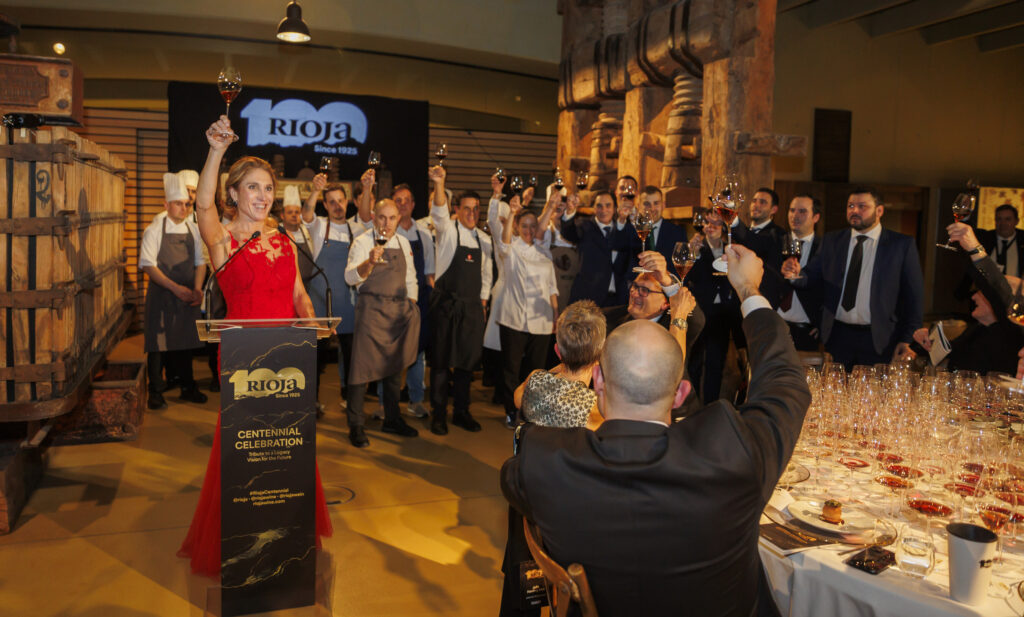
In February 2026, the historic city of Logroño became the global epicenter of fine wine as DOCA Rioja hosted a spectacular Centennial Celebration honoring 100 years of Rioja’s official designation.
Held February 15–17, the three-day event welcomed 70 top wine tastemakers, journalists, and sommeliers from 20 countries, underscoring Rioja’s continued influence in the global wine conversation.
Rioja’s Centennial Celebration brought together 70 top wine tastemakers and experts from around the globe.
A Century of Rioja: Honoring Tradition, Embracing the Future
Officially recognized in 1925, Rioja is Spain’s oldest Designation of Origin and one of the most respected wine regions in the world. Over the past century, Rioja has built a reputation for balance, aging potential, and food-friendly versatility—while continuously evolving.
Guests participated in two master tastings featuring 25 wines that showcased Rioja’s extraordinary diversity:
Vision for the Future — Highlighting new-generation producers, sustainable viticulture, and singular vineyard expressions shaping Rioja today.
Tribute to a Legacy — A curated journey through Rioja’s iconic wines and defining styles across the past 100 years.
Together, these tastings demonstrated why Rioja remains one of the most dynamic and exciting wine regions available to U.S. consumers.
A Michelin-Starred Gala at the Vivanco Museum
The celebration culminated in an unforgettable gala dinner at the Vivanco Museum of Wine Culture, one of the world’s most important wine museums.
Five Michelin-starred chefs—Francis Paniego, Ignacio Echapresto, Miguel Caño, Iñaki Murua, and Carolina Sánchez—crafted a multi-course menu paired with 16 specially selected Rioja wines.
The evening was an immersive showcase of Rioja’s gastronomic excellence, reinforcing what consumers already know: Rioja is one of the most food-friendly wines in the world.
Exploring Rioja’s Vineyards and Wineries
Following the main celebration, attendees visited nearly 30 wineries across the region, gaining firsthand insight into Rioja’s diverse terroirs, from high-altitude vineyards to historic cellars.
More than 180 Rioja bodegas are available in the United States today—meaning American wine lovers can explore the same diversity experienced by global experts during the Centennial.
“Rioja is a region in movement… a centuries-old heritage coexists with a new look at the vineyard and its origins, where new generations reinterpret Rioja with enthusiasm, precision and vision of the future.”
Raquel Pérez Cuevas, President of the Rioja Regulatory Council, shared during the event
Why Rioja Matters Now More Than Ever
The Centennial Celebration was more than a milestone. It was a declaration of identity and a forward-looking statement about Rioja’s global leadership.
For consumers, that means:
More vineyard-specific wines
Greater stylistic diversity
Continued excellence in quality and value
A region that honors tradition while embracing innovation
One hundred years in—and Rioja’s story is still unfolding.
In what is now the DOCa Rioja region, ancient Romans left the first-known traces of winemaking in Rioja, eventually inspiring those who came after them to grow vines and craft the area’s key commodity.
Rioja winemakers embrace advanced winemaking techniques in France. Pioneers such as Luciano de Murrieta, Baldomero Espartero and Manuel Quintano lay the groundwork for modern Rioja wines.
The first Rioja regulations were introduced in 1928, providing crucial protections for the region’s wines. This regulation even predated the 1932-1933 Wine Statute, which later formalized the legal framework for Spain’s Denominations of Origin.
When the 1980s arrived, even more care went into the quality of Rioja wines. Additional quality assurances were introduced, including certifying vintage and aging classifications.
Rioja became Spain’s first Denominación de Origen Calificada (DOCa), signifying the highest quality standard. This milestone ushered in a new era of commercial expansion, structural growth, and modernization, particularly in viticulture.
In line with its strategic plan, the Regulatory Council approved six new grape varieties to enhance the complexity and competitiveness of Rioja’s white wines.
This updated strategy emphasized value creation, profitability, innovation, and collaboration while reinforcing sustainability in all aspects of production.
A comprehensive plan was launched to optimize vineyard production control, strengthen quality controls, reduce bureaucratic burdens, and increase marketing funds. Sustainability becomes a top priority for Rioja.